


Smith Vantage 2 MIPS Ski Helmet Review

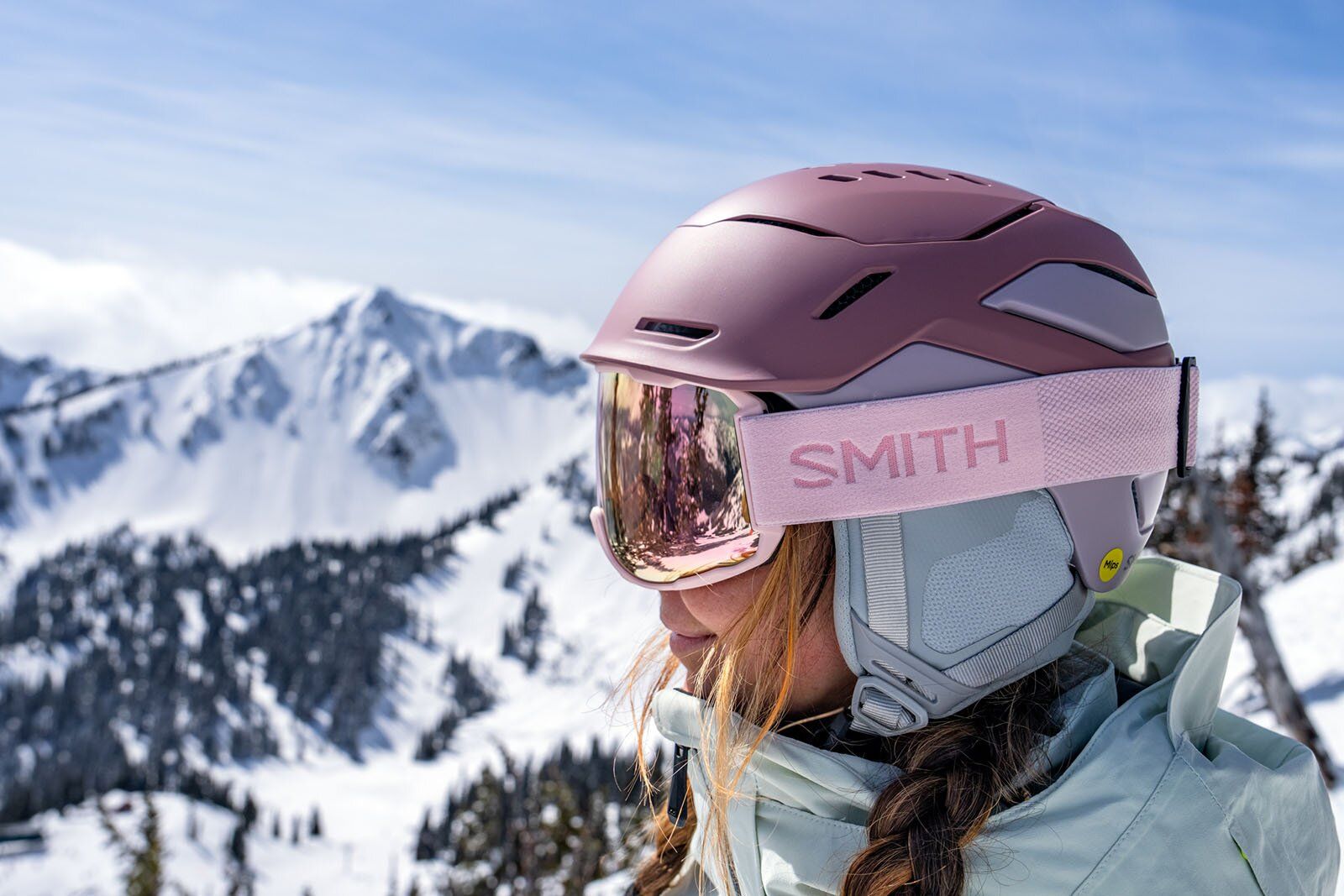
The original Vantage reached legendary status, and the updated Smith Vantage 2 ($295) capably carries the torch. The redesign modernizes the look and nails the key elements for skiers who want one helmet to do it all: all-day comfort, a smart balance of warmth and ventilation, durable construction, and a low-profile feel that doesn’t add weight. We think it’s the best all-rounder out there, but with the price nearing $300, it’s best suited for those who spend a lot of time on snow and will truly benefit from the top-shelf build.

Comfort

Warmth

Ventilation

Weight & Bulk

Durability

Sustainability
Weight
1 lb. 2 oz.
Construction
Hybrid in-mold
Vents
40 (28 adjustable)
MIPS
Yes
Pros
Cons
Smith Vantage 2 MIPS
For this season's top lids, see our guide to the Best Ski Helmets.
The Smith Vantage 2 isn’t aiming for plush luxury, but it nails the performance-comfort balance we look for in a high-end ski helmet. Padding is strategically placed and medium in thickness—cushy enough to hug the head without feeling bulky or overly insulating. Around two-thirds of the interior features breathable mesh that boosts airflow across the crown, while the rest of the padding is soft and supportive without crossing into the fuzzy or fleece-lined territory. It’s a design that fades into the background on long ski days, striking a thoughtful balance between all-day comfort and breathability for active use.
The fit system is dialed in with Smith’s updated Boa dial, which cinches evenly around the head and eliminates pressure points more effectively than many half-wrap or fixed systems. I did notice the ear pads felt a little tight out of the box—tighter than what I experienced in Smith’s Allure or Code—but stretching the fabric slightly around the ears helped improve the fit. Padding around the ears is just thick enough to be warm and comfortable while still allowing for clear hearing (I could chat easily around the fire pit at Washington state’s Alpental resort without pulling the helmet off). After fine-tuning the fit on the first day, I had no problem wearing the Smith Vantage 2 MIPS from first chair through après, even walking around the lodge without feeling the need to take it off—something I rarely say about a ski helmet.

The Vantage 2 proved suitably versatile for the variable winter conditions we get to experience in Western Washington. I wore it in everything from blower powder days in the mid-teens to sunny 45-degree end-of-season laps and never felt underdressed. Closing the adjustable vents at the front, sides, and top ensured I never felt cold, even on a windy day at Summit Central (there are a few vents at the back that don’t seal, but that never led to issues in testing). Most of the time, I left the vents shut to block wind, snow, or rain, and I especially appreciated the adjustability on stormy days when I needed to seal in a little extra warmth.
This isn’t Smith’s warmest ski helmet—the more downhill-oriented Liberty (men’s Level) has a little thicker and plusher padding and does a slightly better job of trapping warmth—but the Vantage offers more than enough insulation for aggressive skiing in typical resort temps. And the ability to close vents on the fly makes it noticeably more adaptable than models like the Method Pro, which lack that feature entirely.

The Smith Vantage 2 is ventilation royalty, boasting a whopping 40 total vents that span nearly the entire helmet. Twenty-two small openings along the top can be opened or closed via a rear slider, while a second slider at the front controls six additional slat-style vents across the front and sides. That front slider also has a halfway stop—perfect when you want just a bit of airflow without fully opening the gates. The dual-zone adjustability makes it easy to fine-tune ventilation: seal things up tight for storm days or chairlift rides, or open everything to dump heat during hikes or spring skiing.

Even the fixed vents have thoughtful placement: those at the visor help prevent goggle fogging, while the rear vents passively exhaust warm air. Paired with Smith goggles, I never had a single issue with fogging—Smith’s goggle-helmet integration really is dialed. For spring laps, warm-weather resort sessions, or short bootpacks, the Vantage is a fantastic match. And yet, it still traps enough warmth for use in cold conditions without feeling overly drafty.
Yes, ultralight touring lids like the Salomon Mtn Lab or Giro Grid offer even more airy designs, but they can’t match the Vantage’s comfort, features, or resort-ready protection. For one-helmet versatility that adapts to your conditions rather than forces you to adapt to it, the Vantage 2 stays best in class.

Smith lists the Vantage 2 MIPS at 1 pound 2 ounces, but my size medium tipped the scales at 1 pound 4 ounces. That puts it around midpack within the ski helmet market. For reference, my go-to Smith Method Pro MIPS is a few ounces lighter at 14 ounces, though it has noticeably fewer features and a more minimalist build. On the flip side, the Smith Liberty weighs a touch more at a listed 1 pound 3 ounces, while Oakley’s Mod 5 is heavier still—and feels it—at 1 pound 6 ounces.
In real-world use, I never noticed the Vantage 2 due to weight or excess bulk. The fit is snug and secure, the padding thickness feels just right, and the low-profile shape helps the helmet fade into the background. It’s especially impressive considering that Smith uses panels of tough ABS plastic for added durability—something that typically adds both weight and bulk. Despite that, the Vantage 2 feels light and streamlined, with a refined design that punches above its weight.

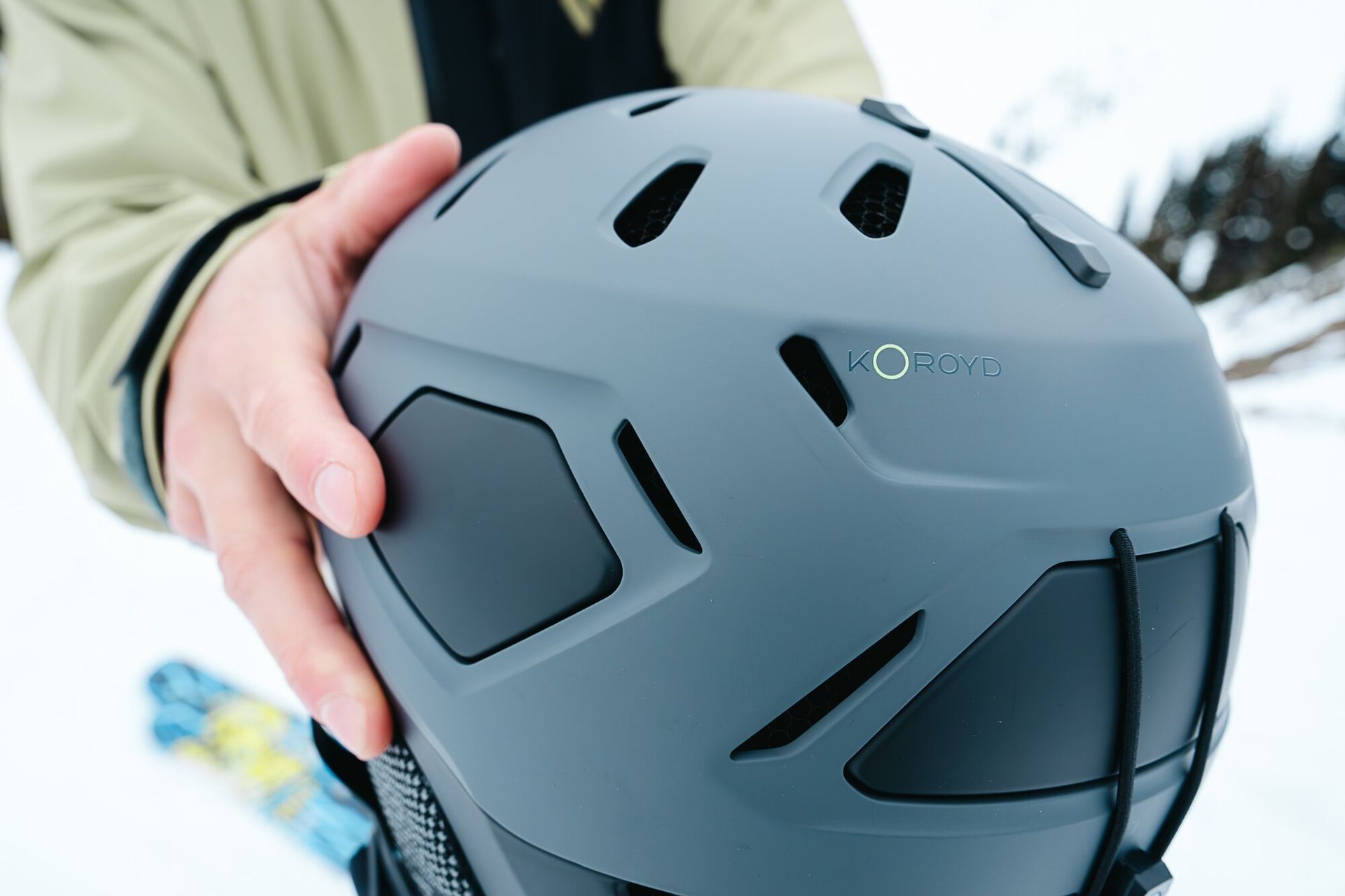
The Smith Vantage 2 MIPS is a high-quality, confidence-inspiring helmet that feels built to last. Smith uses a hybrid construction with ABS plastic across the front, top, and mid-back for added impact resistance (there’s slightly more ABS coverage compared to the prior-gen Vantage), while the lower rear section features lighter in-mold construction. The result is a helmet that balances toughness with reasonable weight. Compared to my Method and Method Pro helmets, the Vantage 2 has proven noticeably more resistant to dents and scuffs—even after months of regular use, including the usual drops in the parking lot and tosses into the back of the car. The layered, vent-heavy design does a great job of hiding wear and tear, and the clean two-tone colorway (on the model I tested) really showcases the structure.
I also appreciate the thoughtful details that support long-term durability. The Boa dial still works smoothly, the magnetic buckle snaps cleanly into place, and the ear pads—despite stretching them a bit for fit—have maintained their shape without issue. It’s a helmet I feel comfortable trusting on big days, both for protection and longevity. While it’s definitely a pricier investment, the Vantage 2 justifies the cost with better retention of shape, cleaner aesthetics over time, and higher resistance to cosmetic damage than more affordable models. For those tired of budget ski helmets wearing out too quickly, this one feels like it’ll stay with you for years.

Select icon to view details:


Longevity
Choosing durable outdoor gear and keeping it in use for longer is one of the best ways to reduce environmental impact. Our proprietary longevity rating assesses factors like overall build quality, materials, fabric denier, component durability, and real-world performance. A green check indicates that we expect the product to be long-lasting relative to its peers, a yellow check mark indicates average longevity, and a red X indicates a product that may have a limited lifespan.
Recycled Materials
Recycled materials are prevalent in outdoor gear, with nylon, polyester, wool, and down among the most common, but the composition varies widely. A green check mark indicates the product is made with a substantial amount of recycled materials (100% recycled or the core fabric that makes up most of the product is recycled), a yellow check means it contains a moderate to small amount of recycled materials, while a red X means there are no recycled materials in the product.
Responsible Manufacturing
This criterion evaluates a brand’s commitment to fair wages, safe working conditions, and reducing environmental impact through certifications and programs like Fair Trade Certified, Fair Wear Foundation, Worldwide Responsible Accredited Production (WRAP), and the Fair Labor Association, while also recognizing brands that manufacture primarily in the U.S. or Europe under strict labor and environmental regulations. A green check mark indicates a brand meets our responsible manufacturing criteria, while a red X means it does not.
Recycled and/or Reduced Packaging
Packaging can add significant waste to outdoor gear purchases, so many brands work to reduce its impact by using recycled materials, incorporating Forest Stewardship Council-certified paper products, and minimizing plastic and paper use. A green check mark indicates a brand uses recycled or reduced materials across all of its packaging, a yellow check indicates moderate or limited use of recycled or reduced packaging, and a red X indicates the brand does not make either of these efforts.
Carbon Footprint Tracking
This criterion evaluates whether a brand measures, reports, and works to reduce its greenhouse gas emissions using established frameworks such as the Higg Index, Greenhouse Gas Protocol, or The Change Climate Project. A green check mark indicates a brand publicly reports greenhouse gas emissions data, sets clearly defined reduction targets, and uses established tracking frameworks such as Higg or The Change Climate Project. A yellow check mark indicates the brand tracks emissions and outlines reduction goals but provides limited data, lacks science-based verification, or does not clearly report progress. A red X indicates the brand does not appear to track greenhouse gas emissions or provides so little information that its efforts cannot be verified.
Annual Impact Report
Annual impact reports provide transparency and accountability by outlining a brand’s sustainability efforts across areas such as material sourcing, greenhouse gas emissions, waste, water use, supply chains, and packaging. A green check mark indicates a brand publishes a detailed, brand-specific impact report that closely aligns with our sustainability criteria and leaves little room for ambiguity. A yellow check indicates a brand provides some relevant sustainability reporting but lacks detail in key areas or is covered only briefly within a parent company report. A red X indicates a brand does not regularly publish an impact report.
MIPS Liner
The Vantage 2 MIPS includes the now-ubiquitous Multi-directional Impact Protection System, a low-friction liner designed to reduce rotational forces on the brain during angled impacts—a common type of fall in skiing. While the added protection is hard to feel in everyday use, the technology has been widely adopted across the ski helmet industry. Its inclusion here adds a valuable layer of peace of mind for skiers focused on safety.

Koroyd
Another key safety technology in the Smith Vantage 2 is Koroyd, a distinctive layer of welded tubes that sits between the hard plastic shell and foam liner. The straw-like design crumples on impact to absorb energy while still allowing air to pass through, which contributes to both protection and ventilation. The Vantage features “Full Koroyd,” meaning the helmet is fully wrapped in the material—a notable upgrade over the prior-gen Vantage, which only had partial coverage.
Boa Adjustment System
The Boa 360 fit system on the Vantage 2 remains one of our favorites for achieving a secure fit without creating pressure points. A small dial at the back of the helmet lets you tighten or loosen the fit evenly around your head, and the system wraps completely for balanced tension on all sides. I found it easy to make micro adjustments with gloves on, and others on our team have used Boa-equipped Smith helmets for multiple seasons with zero issues. It’s smooth, reliable, and intuitive—once you’ve experienced the convenience and comfort of Boa, it’s tough to go back.


Fidlock Buckle
The original Vantage didn’t include a magnetic Fidlock buckle, but we’re glad to see that was remedied with the Vantage 2. It took a moment to get used to the slide-to-lock motion, but once familiar, it proved far quicker and easier to operate than a traditional buckle—especially when securing or removing the helmet one-handed. Even with gloves on, I never fumbled with it, and it stayed securely fastened throughout the day.

HEADS UP (get it?): the Smith Vantage 2 fits tighter around the sides of the head and ears than other Smith helmets I’ve used. I ordered my usual size Medium—same as the five other Smith helmets I’ve worn in recent years—and while the sizing chart shows no difference (still listed at 55–59cm), this one felt snugger out of the box. Normally, I even have room for a thin cap or buff underneath, but not with this version.
I loosened the Boa dial all the way and still felt pressure around the temples and ears. The top of my head fit just fine, but the width was a problem. Eventually, I stretched the ear pads slightly by pulling them apart, which helped relieve the pressure and made for a much more comfortable fit. I’ve been pairing the helmet with both Smith’s 4D MAG and Squad MAG goggles and the fit is flawless—no gaper gap at all.

Smith Liberty MIPS ($250): Cushier but less adjustable
The Liberty (men’s Level) has long been a standout in Smith’s lineup for its plush padding, all-day comfort, and cozy warmth. Compared to the Vantage 2, the Liberty is noticeably softer and more insulated, making it a better choice for cold resort days or those who prioritize a premium feel over venting. But while it’s warmer, the Liberty doesn’t ventilate as well (20 vents with a single slider), lacks a magnetic buckle, and uses Smith’s in-house 270-degree fit system rather than the full-wrap Boa dial. The Liberty is cheaper and still very well-built, but it’s a less versatile option for high-output days or those who want to fine-tune airflow and fit with more precision. For more, read our review of the men's Level MIPS.
Smith Nexus MIPS ($365): Extra Plush, Extra Durable
The Nexus is the most premium helmet in Smith’s lineup, with extra plush padding, a roomier fit, and even more extensive ABS shell coverage for durability. The biggest differences are warmth and comfort: the Nexus feels like a cozy pillow on your head and offers full-coverage Koroyd, while the Vantage’s cushioning is lower-profile and more breathable. That makes the Vantage the better pick for spring skiing and active days, while the Nexus is our go-to if you ski hard at the resort. For more, see our Nexus MIPS review.
POC Obex BC MIPS ($300): Backcountry-First, Resort-Ready
The Obex BC MIPS is designed with backcountry priorities—lightweight construction, safety tech like Recco and NFC, and a minimalist feel—but it’s sneakily capable as a resort lid, too. It doesn’t match the Vantage’s customizable venting or all-day adjustability, and warmth falls a bit short on cold lift rides. But in terms of low-profile fit, comfort, and packability, the Obex punches above its weight. If you’re headed uphill as often as down, it’s a smart, crossover-ready pick. The Vantage flips the script: it’s more tuned for chairlift laps but has just enough ventilation and weight savings to pull part-time duty in the backcountry. Read our review of the Obex BC to learn more.
It’s rare that we’d call a nearly $300 helmet “worth it,” but it’s hard to argue that the updated Vantage 2 MIPS isn’t worth its price tag. It has just about everything you’d want in a well-rounded bucket, although you might find more value in a cheaper helmet if you don’t hit the hill that often.

Comfort

Warmth

Ventilation

Weight & Bulk

Durability

Sustainability

The ultimate resort helmet, Smith’s Level mixes a high-end, plush interior with a durable shell and adjustable ventilation system for everyday alpine performance. It’s too heavy and insulated for the backcountry but otherwise a standout in quality, warmth, and comfort.
Comfort
Warmth
Ventilation
Weight & Bulk
Durability
Sustainability
Smith’s top-flight lid delivers across the board: comfort, safety, durability, features, and style. But it comes with a double-take-worthy price tag.
Comfort
Warmth
Ventilation
Weight & Bulk
Durability
Sustainability
Is the Vantage 2 MIPS for You?

If you’re after a high-performance ski helmet that excels in comfort, fit, and adaptability, the Smith Vantage 2 MIPS is a standout. It strikes a rare balance of warmth, low bulk, and ventilation, and backs it all up with premium safety tech like MIPS and Koroyd, a supremely easy Boa fit system, and the convenience of a Fidlock buckle. It’s overbuilt for minimalist touring days, but for cold-weather resort laps or variable spring conditions, the Vantage 2 is one of the most complete ski helmets we’ve worn.

enter the white room
Skiing Gear Guides

Gear Guide
Best Ski Jackets of 2026
Gear Guide
Best Ski Pants of 2026
Gear Guide
Best Ski Goggles of 2026
Gear Guide
Best Ski Boots of 2026
Gear Guide
Best Ski Backpacks of 2026
Gear Guide
Best Ski Bibs of 2026
Gear Guide
Best Ski Gloves of 2026
Gear Guide
Best Ski Mittens of 2026
Gear Guide
Best Midlayers of 2026
Gear Guide
Best Base Layers of 2026
curated for you