

Best Ski Helmets of 2026
Balancing safety and comfort for long days on the mountain, we break down all the top snow helmets from premium to budget


Updated:
Jan 30, 2026Table of contents
A helmet is one of the most important pieces of your ski kit, keeping your head protected and comfortable on the mountain. Below, we break down the best ski helmets of 2026, all of which have been tested, rated, compared, and photographed by our expert team. This is an evolving resource that we update throughout the season to reflect the latest models and our insights. With our unique UX, you can browse in-house photo galleries, dig into detailed ratings, and sort helmets by factors like comfort, warmth, ventilation, weight, price, and more.
Ski Helmet Superlatives
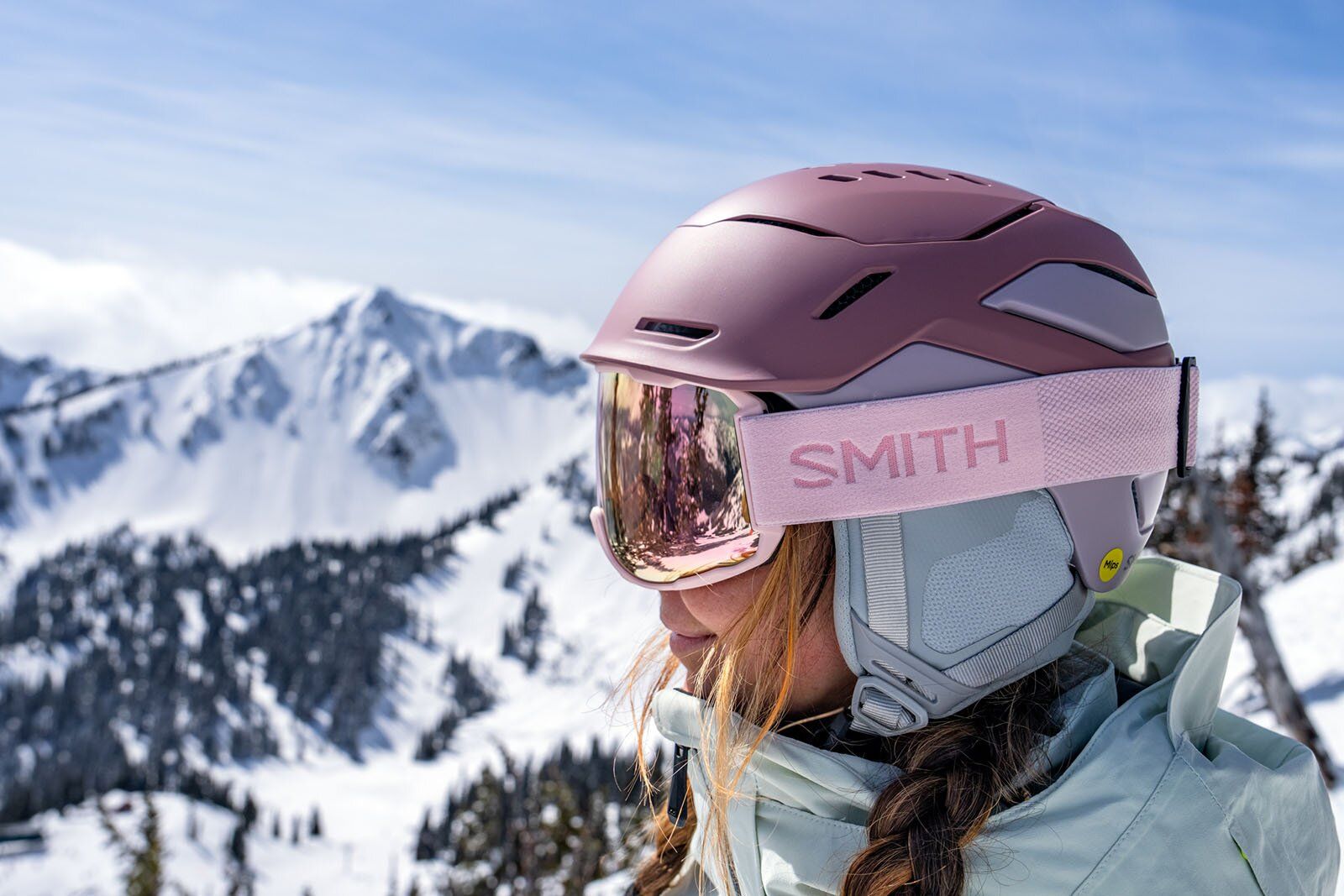
Smith Vantage 2 MIPS ($295)

Smith Rodeo MIPS ($105)

Oakley Mod 3 MIPS ($185)

Smith Level MIPS ($250)
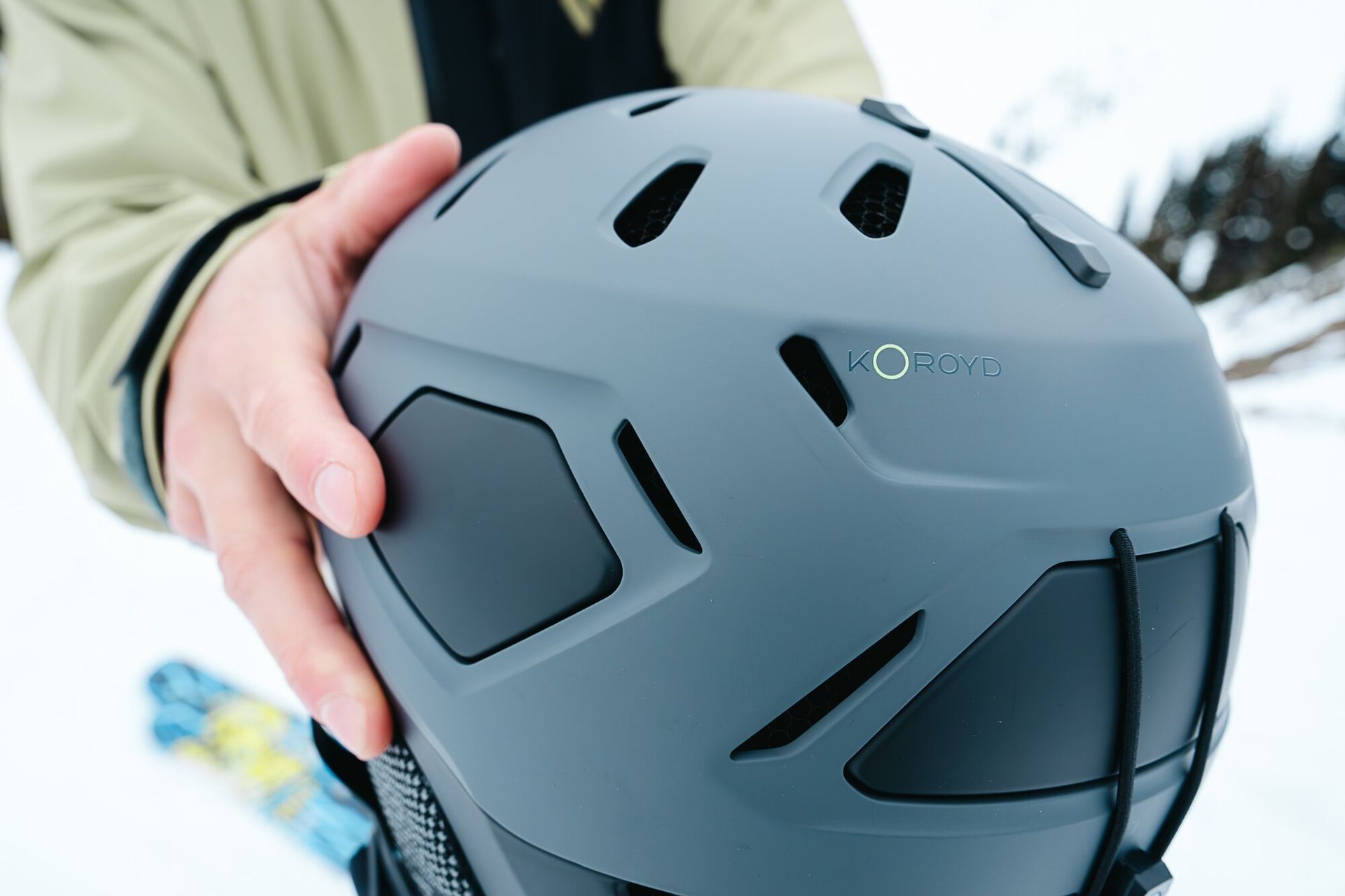
Smith Nexus MIPS ($365)

Smith Summit MIPS ($260)

POC Obex MIPS ($240)
Our Ski Helmet Picks
It’s rare that we’d call a nearly $300 helmet “worth it,” but it’s hard to argue that the updated Vantage 2 MIPS isn’t worth its price tag. It has just about everything you’d want in a well-rounded bucket, although you might find more value in a cheaper helmet if you don’t hit the hill that often.


It’s rare that we’d call a nearly $300 helmet “worth it,” but it’s hard to argue that the updated Vantage 2 MIPS isn’t worth its price tag. It has just about everything you’d want in a well-rounded bucket, although you might find more value in a cheaper helmet if you don’t hit the hill that often.

Comfort

Warmth

Ventilation

Weight & Bulk

Durability

Sustainability
Weight
1 lb. 2 oz.
Construction
Hybrid in-mold
Vents
40 (28 adjustable)
MIPS
Yes
Pros
Cons
Updating a long-standing favorite like the Vantage helmet is a delicate balancing act—modernize too much, and you risk losing what made the original so beloved. The good news? The Vantage 2 keeps nearly everything we loved about its predecessor and simply says, “More of that, please.” Chief among the upgrades is full-coverage Koroyd, Smith’s proprietary crumple-zone material, which now wraps the entire helmet between the shell and foam liner (the original only had partial coverage). Smith also added a magnetic buckle—a much-needed fix to one of the few head-scratchers on the first Vantage—and bumped up the vent count to a staggering 40, with 28 of those being adjustable. That’s a ton of adjustability, and it tracks with the Vantage 2’s Boa 360 fit system, which also grants a high degree of fit customization and can be operated even when you’re wearing gloves.
What’s also noticeably high, unsurprisingly, is the Smith Vantage 2’s price. Prices have shot up nearly across the board in the helmet market for this winter, and the latest Vantage stands as one of the most expensive helmets we’ve tested. But if you’re after premium comfort, adjustability, features, and warmth, it’s hard to find a better all-around performer for less. The interior padding strikes a great balance between cushion and bulk, and with all the vents closed, it stays impressively warm—even on frigid lift rides. At just over a pound, we’ve found it’s also light enough for backcountry missions that don’t require a purpose-built touring lid like the Smith Summit MIPS. Put simply, there’s very little this helmet doesn’t do well.
One final note on fit: the Vantage 2 has a slightly snugger fit than other Smith models we’ve tried. If you’re on the cusp between sizes in its fit range, you may need to size up. For more, read our review of the Smith Vantage 2.
The ultimate resort helmet, Smith’s Level (women's Liberty) mixes a high-end, plush interior with a durable shell and adjustable ventilation system for everyday alpine performance. It’s too heavy and insulated for the backcountry but otherwise a standout in quality, warmth, and comfort.


The ultimate resort helmet, Smith’s Level (women's Liberty) mixes a high-end, plush interior with a durable shell and adjustable ventilation system for everyday alpine performance. It’s too heavy and insulated for the backcountry but otherwise a standout in quality, warmth, and comfort.
Comfort
Warmth
Ventilation
Weight & Bulk
Durability
Sustainability
Weight
1 lb. 3 oz.
Construction
Hybrid in-mold
Vents
20 (10 adjustable)
MIPS
Yes (non-MIPS available)
Pros
Cons
Smith’s Level (and women’s Liberty) makes a strong first impression. Not only does it have a high-quality look and solid feel, but the best-in-class interior cushioning is evident the moment you slide it on. The supportive yet plush padding covers the entire shell circumference and received universal praise from our testers, fully isolating you from the MIPS liner and plastic fit system. Warmth is another impressive feature: With the vents closed, we’ve worn the helmet without a balaclava on days dipping into the single digits Fahrenheit. And if you like to take the occasional inbounds hike or want to dump heat on a balmy day, you can open the vents along the top of the lid. For lift-assisted days, it just doesn’t get any better.
Smith’s hybrid in-mold construction combines a lightweight in-mold shell with thicker ABS plastic (known for being strong—more on this in our Anatomy section below) reinforcements over the top portion. This gives the Smith Level MIPS good overall durability and dent resistance for the rigors of resort life while keeping bulk in check. The feature-rich and thickly padded design, however, pushes it out of running for backcountry days. Our size medium is a little heavy at 1 pound 3 ounces, and it’s too warm to reliably wear on a spring day or while yo-yoing laps in the backcountry. Smith’s upgraded Vantage 2 is the superior option for those wanting a crossover resort/backcountry helmet. For more, see our review of the Smith Level MIPS.

Smith’s top-flight lid delivers across the board: comfort, safety, durability, features, and style. But it comes with a double-take-worthy price tag.


Smith’s top-flight lid delivers across the board: comfort, safety, durability, features, and style. But it comes with a double-take-worthy price tag.
Comfort
Warmth
Ventilation
Weight & Bulk
Durability
Sustainability
Weight
1 lb. 3 oz.
Construction
Hybrid in-mold
Vents
24 (18 adjustable)
MIPS
Yes
Pros
Cons
Smith’s Nexus represents the brand pushing in all its chips: This top-of-the-line helmet highlights Smith’s best safety tech and features wrapped up in a stylish and durable package. To start, you get full coverage of its energy-absorbing Koroyd technology (the honeycomb-like material is visible through the vents), and the hybrid in-mold construction is exceptionally durable without a significant weight penalty. Additional niceties include a magnetic buckle that’s easy to use one-handed, and a Boa fit system that secures evenly and comfortably around your head. On the topic of comfort, this was a point our testers kept returning to: The soft-touch interior, premium padding, and unobtrusive fit system make it one of the most comfortable helmets we’ve tested.
Who is the Smith Nexus MIPS best for? Cold-weather resort skiers will likely find nothing to complain about: It’s warm and cozy, and you can seal out the cold with its large ear pads and adjustable vents. Open up those 18 vents via the dual-stage system, and you can dump heat in a hurry while hiking or on a warm day. The one place we wouldn’t wear the Nexus is on a deep backcountry day, but it’s still a suitable option for touring when protection and warmth outweigh the importance of weight. If you can stomach the price tag or time your purchase with a sale period, we think the do-it-all Nexus is well worth the investment. For more, read our review of the Smith Nexus MIPS.

Sleek-looking and with a sturdy polycarbonate shell, POC’s premium all-mountain helmet is a great choice for hard-chargers. It’s not particularly warm or plush inside, but the materials are built to take a knock.


Sleek-looking and with a sturdy polycarbonate shell, POC’s premium all-mountain helmet is a great choice for hard-chargers. It’s not particularly warm or plush inside, but the materials are built to take a knock.
Comfort
Warmth
Ventilation
Weight & Bulk
Durability
Sustainability
Weight
15.9 oz.
Construction
Hybrid in-mold
Vents
11 (3 adjustable)
MIPS
Yes
Pros
Cons
Stockholm-based POC is a company built around safety gear, and its ski helmets have a distinctively solid and confidence-inspiring feel. Its core all-mountain design, the Obex MIPS, is a case in point. On paper, the Obex’s in-mold design, which takes up most of the lower and sides of the helmet, would indicate a thin and fragile shell. Instead, it has a substantial polycarbonate exterior that’s dent-resistant—and weighty enough that our hard-charging testers felt confident donning it on gravity-only days. There’s also a section of ABS plastic at the top for added durability in that knock-prone area. And while this is largely subjective, we think the POC Obex MIPS has a stylish and sleek look with its glossy shell, low-profile shape, and hardwearing materials.
For padding, POC took a decidedly minimalist and function-first approach. The cushioning is firm and strategically placed around the interior of the shell to protect you from the hard plastic fit system and liner. Overall, it’s well-executed, and our tester had no complaints after full days of use, but those who like to be cosseted in comfort will likely find it too bare. For ventilation, the helmet has 11 fixed openings with three slot-like vents at the top that can be closed in wet or chilly weather. We found the openings sufficient for resort days—including active uses like short hikes to inbounds terrain—but it doesn’t match the venting of a backcountry-tuned helmet. On that note, for a lighter and more backcountry-oriented variation, check out POC’s Obex BC MIPS. For more on this lid, read our review of the POC Obex MIPS.

A feature-packed resort lid at a great price, the Atomic sports clean styling, a highly adjustable fit system, and impressive proprietary safety tech. But its non-adjustable vents and bulbous look disappointed us.


A feature-packed resort lid at a great price, the Atomic sports clean styling, a highly adjustable fit system, and impressive proprietary safety tech. But its non-adjustable vents and bulbous look disappointed us.
Comfort
Warmth
Ventilation
Weight & Bulk
Durability
Sustainability
Weight
1 lb. 3 oz.
Construction
Hybrid in-mold
Vents
6 (fixed)
MIPS
AMID
Pros
Cons
Atomic’s ski and boot lineups get most of the brand’s publicity, but it also has a sneaky-large range of helmets and goggles. Their Four AMID Pro targets the all-mountain crowd with a comfy, merino wool-lined interior and highly adjustable fit system. The fit system immediately impressed our team with its ability to cinch evenly around your head circumference and up and down. Further boosting comfort is a foam layer wrapping around the forehead and to the back of your ears. This wide foam strip is connected to the fit system and wraps uniformly, giving the helmet a custom, cushioned feel as you cinch it down.
For safety tech, Atomic opted to buck the MIPS trend and develop its own multi-directional impact system. Peeling back the helmet’s liner reveals a series of eight multi-colored, multi-density foam pads along the top and sides of the helmet. These pads are designed to move independently of the shell in a crash, redirecting energy away from the head. There are also substantial cutouts in the EPS foam that crumple at impact and absorb energy. As with most helmet safety tech, there isn’t a standardized test to establish how effective a given system is, but the AMID pads and the foam cutouts go largely unnoticed while you’re wearing the helmet.
We were disappointed, however, that the Four AMID Pro doesn’t offer an adjustable venting system. We give it a partial pass, given the mid-range price, but it's still a notable miss. On a windy day of testing, with temperatures in the low 20s Fahrenheit, we were surprised by how drafty the helmet felt. A second complaint is that, while we like the Four’s styling, its thick shell gives it a round and large look. That may be personal preference, but those who prefer low-profile styling will likely be put off. For more, read our review of the Four Amid Pro.
With adjustable ventilation and a soft-touch interior at a budget-friendly price, Smith’s new Descend has a lot going for it. The thick ear pads won’t suit everyone—and they’re not easily removed—but for resort skiers seeking a capable, reasonably priced all-rounder, this lid is well worth a look.


With adjustable ventilation and a soft-touch interior at a budget-friendly price, Smith’s new Descend has a lot going for it. The thick ear pads won’t suit everyone—and they’re not easily removed—but for resort skiers seeking a capable, reasonably priced all-rounder, this lid is well worth a look.
Comfort
Warmth
Ventilation
Weight & Bulk
Durability
Sustainability
Weight
1 lb.
Construction
In-mold
Vents
16 (8 adjustable)
MIPS
Yes
Pros
Cons
Smith’s new Descend MIPS delivers a high level of performance at a palatable price. At just $160, this all-mountain helmet stands out for its comfort-forward interior, secure fit, and effective adjustable ventilation (a nice surprise at this price). While it doesn’t top the charts in any one category, it checks all the right boxes for resort skiers who want dependable protection and warmth without the luxury price tag. Features like a soft fleece lining, easy-to-use dial fit system, and a low-profile in-mold shell make it a compelling option for season-long use.
Our tester found the Descend’s fit to be snug but comfortable, with a well-balanced amount of padding that avoids pressure points. While the thick ear pads initially felt bulky, removing the audio chip foam inserts improved both comfort and fit—albeit at a small cost to warmth. The helmet includes both MIPS and Koroyd protection, and although the latter only lines part of the interior, it’s another premium touch that adds to the helmet's all-around value. Eight of the 16 vents are adjustable, giving the helmet solid temperature regulation across cold mornings and spring laps alike.
Weight and bulk are another win. The Descend weighs about a pound and maintains a trim profile despite offering more insulation than minimalist backcountry models. Durability isn’t on par with pricier hybrid-shell designs—it lacks hardshell ABS plastic for protection against dings and scrapes—but the build still feels sturdy enough for regular resort use. For those who prioritize fit, warmth, and venting performance over features like a Boa dial or magnetic buckle, the Descend MIPS offers standout value with minimal compromise. For more, read our review of the Smith Descend MIPS.
With a soft, warm interior and adjustable ventilation, the Giro Ratio is a great resort lid at a value price. It’s bulkier and won’t have as long of a lifespan as premium alternatives, but it’s among the most versatile budget designs we’ve tested.


With a soft, warm interior and adjustable ventilation, the Giro Ratio is a great resort lid at a value price. It’s bulkier and won’t have as long of a lifespan as premium alternatives, but it’s among the most versatile budget designs we’ve tested.
Comfort
Warmth
Ventilation
Weight & Bulk
Durability
Sustainability
Weight
1 lb. 5.2 oz.
Construction
ABS
Vents
10 (6 adjustable)
MIPS
Yes
Pros
Cons
While Giro makes more modern-looking and premium ski helmets, we think its best-executed lid is the Ratio MIPS. For a very reasonable $145—and it’s not hard to find past-season colors at a discount—you get all the essentials for resort use. The helmet is surprisingly warm and thickly cushioned around the ear pads, forehead, and sides of the head, and the fleece-like lining gives it a cozy next-to-skin feel. At the top of the shell is a slider that controls six large vents, which is nearly unheard of at this price point (most budget helmets have vents with fixed openings). Combine that with an adjustable fit dial and burly plastic shell, and the Giro Ratio MIPS is well-equipped for the rigors of resort life.
Signs of cost-cutting in the design show up over time and following heavy use. Specifically, the fleece-like lining is prone to pilling (mostly a cosmetic issue), and the soft and squishy foam around the ear pads and forehead packs out. And while we appreciate that the Giro has an adjustable fit dial, it’s not all that refined. We found the click wheel hard to use with a gloved hand, and you can’t micro-adjust the Ratio’s fit as well as a slightly spendier alternative like Smith’s Mission. Folks who get out often and prioritize long-lasting comfort and performance may want to search elsewhere, but occasional skiers or those looking to save should have the Ratio on their shortlist.
The versatile Oakley is a standout value for mixed resort and backcountry use, with high-quality parts, adjustable ventilation, and a low weight. While thin padding along the interior and a sticky vent adjuster dimmed our enthusiasm, the Mod 3 is great all-rounder for those who prioritize a light and airy feel.


The versatile Oakley is a standout value for mixed resort and backcountry use, with high-quality parts, adjustable ventilation, and a low weight. While thin padding along the interior and a sticky vent adjuster dimmed our enthusiasm, the Mod 3 is great all-rounder for those who prioritize a light and airy feel.
Comfort
Warmth
Ventilation
Weight & Bulk
Durability
Sustainability
Weight
1 lb. 1.7 oz.
Construction
In-mold
Vents
30 (22 adjustable)
MIPS
Yes
Pros
Cons
The middle child of Oakley’s helmet lineup, the Mod 3 MIPS packs a quality feature set into a lightweight build. Its in-mold construction helps keep weight in check—our size medium Mod 3 undercuts both our Mod 5 and Mod 1 Pro helmets by about four ounces—and feels light and airy on your head. And, as with all Oakley helmets, the Mod 3 utilizes premium third-party parts: a Boa fit system that wraps fully around your head, a Polartec lining that’s durable and washable, and Fidlock magnetic buckle. Tack on adjustable ventilation—a single slider controls the 24 vents dotting the top of the lid—and the Mod 3 represents a good value at $185 for a helmet that can pull double duty at the resort and backcountry.
If you’re familiar with in-mold helmets, you know the deal: They’re the least durable of the three helmet construction types and don’t have that bomber feel you get with a thicker, ABS plastic-reinforced lid. Specific to the Mod 3, we were also let down by the quality of the vent slider on the top of the helmet, which is overly stiff and nearly impossible to manipulate without removing your gloves. Besides that, it’s worth noting that Oakley’s thin padding and somewhat narrow fit can cause pressure points if the shape doesn’t work for you. Thankfully, Oakley offers the Mod 3 MIPS in a wider, Round Fit version for the same price. For more, read our review of the Mod 3 MIPS.
The Cynic X2 stands out as a high-value model among helmets in the mid-$100 price range. It nails many key components, including all-day comfort, a sleek design, and industry-standard protection, but you won’t find the premium airflow and features of more expensive competitors.


The Cynic X2 stands out as a high-value model among helmets in the mid-$100 price range. It nails many key components, including all-day comfort, a sleek design, and industry-standard protection, but you won’t find the premium airflow and features of more expensive competitors.
Comfort
Warmth
Ventilation
Weight & Bulk
Durability
Sustainability
Weight
15.8 oz.
Construction
In-mold
Vents
12 (fixed)
MIPS
Yes
Pros
Cons
As ski helmet prices continue to skyrocket, models like the Cynic X2 become even more appealing. It has the majority of the traits we look for when recommending a lid to a fellow skier, but without the cost usually associated with this type of performance. (The Atomic Four AMID Pro, for example, will run you $220 but scored similarly across the board, and the $145 Giro Ratio doesn’t look as good.) Features-wise, the Cynic X2 is built with MIPS technology, and although its padding isn’t especially thick, our tester found its mesh-covered foam liner to be comfortable enough for wearing over a full day on the snow. This helmet doesn’t feel overbuilt at all, and it doesn’t look it, either—the low-profile silhouette is a refined upgrade over that of more bulbous competitors, such as the Four AMID.
As you might expect, there are concessions to be made here, most notably the lack of adjustable vents. The Pret Cynic X2 has 12 fixed openings, but they’re not very large, and this is a fairly solid lid that doesn’t grant great airflow. It’s also not very warm, and is built for ski days that land more in the middle of the conditions spectrum—not ultra-cold (wear a beanie if that’s the case), but not super warm, either. In-mold construction also makes it less durable than reinforced, hybrid models that feature hard ABS plastic, but on the plus side, the Cynic X2’s sub-1-pound weight will play well on moderate tours. Add in a Boa-like fit adjustment dial that works without a hitch and a magnetic buckle—not a guarantee on even the most expensive helmets—and you have one of the best-value buckets on the market. For more, read our review of the Pret Cynic X2.
This helmet’s function-first looks make it stand out in a crowd, but the Switcher packs a punch. Its hybrid shell is sturdy, and you get full control over 22 vents. The one hangup is the interior: its narrow shape will limit comfort for some, and the minimalist padding isn’t our fave.


This helmet’s function-first looks make it stand out in a crowd, but the Switcher packs a punch. Its hybrid shell is sturdy, and you get full control over 22 vents. The one hangup is the interior: its narrow shape will limit comfort for some, and the minimalist padding isn’t our fave.
Comfort
Warmth
Ventilation
Weight & Bulk
Durability
Sustainability
Weight
1 lb. 5.2 oz.
Construction
Hybrid in-mold
Vents
26 (22 adjustable)
MIPS
Yes
Pros
Cons
Like POC, Sweet Protection is a safety gear-focused brand primarily playing in the skiing and cycling markets. Also, like POC, it's gear features distinctive styling. In the case of its Switcher MIPS helmet, the look is tactical-like, with a hardshell exterior, small vents dotting the front and sides of the helmet, and features that have an overbuilt look and feel to them. The ear pads are a great example: The exterior is reinforced for extra protection, the chin straps that wrap over the padding are secured with buttons (something you rarely see), and there’s a speaker-like cutout in the middle to help with noise transfer. The busy and tough look is a little polarizing—our testers were mixed with the styling, and it certainly doesn’t match POC in sleekness—but the helmet itself is confidence-inspiring and clearly well-made.
One of our favorite features of the Sweet Protection Switcher is its venting system. Not only do you get control over the 22 vents, but you can micro-adjust the opening of 20 of them via a dial at the back of the helmet. Functioning just like the fit adjustment system, a twist in either direction will open or close the vents, dumping an impressive amount of heat. Separately, you can open two vents at the forehead simply by sliding them open or closed. Combined with a minimally padded interior, it’s pretty easy to avoid overheating with the Switcher on the mountain.
Our biggest issue with Sweet Protection helmets is their fit and comfort. No single helmet is going to fit all head shapes, but some are more versatile than others. For our testing team, the Switcher was one of the least versatile, with a narrow fit that works best with oval-shaped heads. If it runs narrow for you, you’ll know right away, as the thin padding on the sides of the head means the hard foam interior presses into you uncomfortably. If they offered a round-fit version—like Smith does with many of their popular models—we’d be able to overlook this issue. As it is, the Switcher is a well-built and excellent lid for those who prioritize ventilation and durability, but its polarizing shape is limiting. For more, read our review of the Switcher MIPS.
Slide on and drop in: Oakley’s top-end lid is sturdy, protective, and stylish. But the firm, high-density foam and minimalist interior padding mean it’s less of a resort all-rounder than expected.


Slide on and drop in: Oakley’s top-end lid is sturdy, protective, and stylish. But the firm, high-density foam and minimalist interior padding mean it’s less of a resort all-rounder than expected.
Comfort
Warmth
Ventilation
Weight & Bulk
Durability
Sustainability
Weight
1 lb. 6 oz.
Construction
Hybrid in-mold
Vents
11 (4 adjustable)
MIPS
Yes
Pros
Cons
Given its long-standing dominance in ski goggles, we’ve been surprised by how long it’s taken for Oakley to build out a deep roster of ski helmets. Their current Mod collection has three main models—the 1, 3, and 5—with the top offering being the Mod 5 MIPS. As expected for a helmet costing over $250, you get a lot: Hybrid construction for durability without a big hit to bulk, adjustable ventilation, and premium features like a Boa fit dial that cinches around the full head circumference, ventilated Polartec lining, and a magnetic buckle. We think the styling is very on-brand for Oakley, with a space-age yet clean look that pairs nicely with one of their large goggles, like the Flight Deck L.
Comfort-wise, we have mixed feelings with the Oakley Mod 5; it lands on the less cushioned end of the spectrum. The good news is that key areas like the forehead and back of the head are sufficiently reinforced with thick foam to avoid pressure points. Plus, the large ear pads cup the sides of your head effectively while offering additional protection around your jawbone. But the high-density padding is quite firm—our tester said the overall feel was reminiscent of a ski racing helmet—and lacks the plush and soft feel common in a resort-oriented lid. This gives the Mod 5 less leeway to folks who don’t fit its shape perfectly—the helmet runs a little narrower than average and noticeably narrower than Smith—but the snug and secure set-up does boost confidence when dropping into difficult terrain. For a deeper dive, read our review of the Oakley Mod 5 MIPS.
Certified for skiing and mountaineering and with an exceptionally light, packable build, this helmet is a backcountry specialist. It’s our current favorite for big days touring and ski mountaineering, but its minimalist build is out of place at the resort.


Certified for skiing and mountaineering and with an exceptionally light, packable build, this helmet is a backcountry specialist. It’s our current favorite for big days touring and ski mountaineering, but its minimalist build is out of place at the resort.
Comfort
Warmth
Ventilation
Weight & Bulk
Durability
Sustainability
Weight
1 lb.
Construction
Hybrid in-mold
Vents
33 (fixed)
MIPS
Yes
Pros
Cons
Smith’s Summit wasn’t the first backcountry-specific ski helmet made, but it’s arguably the best. Certified for both mountaineering and alpine skiing, it’s light, easy to pack thanks to smart features, ventilates freely, and is uniquely optimized for touring. Specifically, there are slots for headlamp straps, built-in bungees to secure it to a pack, and the fit system folds out of the way. To top it off, the helmet is surprisingly tough thanks to Smith’s integration of ABS plastic alongside its go-to energy-absorbing material, Koroyd. This is no stripped-down, minimalist lid.
For padding, there’s a cushioned strip that rests against your forehead and two more along the top to protect your noggin from the exposed MIPS liner. You don’t get any real insulation from the lining—and take note nothing is covering the ears—but the cushioning helps with moisture wicking should you build up heat.
Listed at 1 pound (our size large is a hair more at 1 lb. 0.2 oz.), the Smith Summit MIPS is not a true featherweight. You can trim ounces away with a more pared-down option like the Salomon Mtn Lab (14.1 oz.), or a climbing-oriented design like Petzl’s Meteor (8.5 oz.). And while the shell is dotted with vents and generates a fair amount of airflow, the Summit doesn’t dump heat as efficiently as a shell with gaping openings. (The flip side of that is it doesn’t allow snow and moisture to seep in as easily.) However, for us, the added weight and ever-so-slightly reduced ventilation are fine trade-offs for a tougher and more featured design. For more, read our in-depth review of the Smith Summit MIPS.
Direct-to-consumer Glade makes a strong case with its lightweight and airy yet feature-rich Boundary, which is equipped for crossover resort and backcountry use. But we were let down by the interior comfort, and the thin build wasn’t confidence inspiring for hard-chargers.


Direct-to-consumer Glade makes a strong case with its lightweight and airy yet feature-rich Boundary, which is equipped for crossover resort and backcountry use. But we were let down by the interior comfort, and the thin build wasn’t confidence inspiring for hard-chargers.
Comfort
Warmth
Ventilation
Weight & Bulk
Durability
Sustainability
Weight
15.4 oz.
Construction
In-mold
Vents
16 (10 adjustable)
MIPS
Yes
Pros
Cons
Glade’s high-value photochromic ski goggles put it on the map, and the brand has since expanded into the helmet space. The Boundary is its current top-flight option (there’s also the $129 Tenmile), and it packs a full list of features into a relatively feathery package. Our medium size tips the scale at just 15 ounces but includes niceties like two separate vent adjusters that control ten openings, a magnetic buckle, a twist-dial fit system, and a small brim. There’s plenty of ventilation for high-output uses like hiking or throwing on the lid after a long session on the skin track, and its weight is low enough to haul around on a pack. Surprisingly, however, unlike Glade’s goggles, it’s not cheap, but the $199 price is still competitive with alternatives like the Oakley Mod 3 MIPS ($185).
The Boundary adds up nicely on paper, but both of our testers were let down in real-world testing; they had challenges getting a reliably comfortable fit. While the padding along the interior has a quality feel, it isn’t securely attached to the shell and is prone to moving around and exposing the interior’s hard plastic pieces. This was particularly noticeable for our tester, who landed on the smaller end of the fit range. Cinching it down pushed the fit system’s plastic arms between the padding and into the side of her head. The padding on the ear flaps was also a letdown: both testers found them too small to seal comfortably around their ears.
As is probably apparent, we have mixed feelings about the Glade Boundary MIPS. On the one hand, it’s impressively lightweight given its extensive feature set; on the other, we have two accounts of folks not finding it particularly comfortable, and you can’t try it on before buying. There’s also the thin in-mold construction to consider, which isn’t as durable as alternatives like the Smith Level or POC’s Obex MIPS. All that said, if it fits you and you want a do-it-all resort and backcountry lid, the Glade is worth a look. For more, see our review of the Glade Boundary MIPS.

The Smith Rodeo is a modern take on the classic hardshell lid, sporting ABS plastic that meets the Global Recycling Standard. It's classically bulky and not as refined or comfy as pricier alternatives, but we appreciate the value.


The Smith Rodeo is a modern take on the classic hardshell lid, sporting ABS plastic that meets the Global Recycling Standard. It's classically bulky and not as refined or comfy as pricier alternatives, but we appreciate the value.
Comfort
Warmth
Ventilation
Weight & Bulk
Durability
Sustainability
Weight
1 lb. 3 oz.
Construction
ABS
Vents
10 (fixed)
MIPS
Yes
Pros
Cons
The budget end of the ski helmet market has been fairly stagnant, so last season's release of the Rodeo MIPS was a refreshing change. For just over $100 (we’ve seen the price of helmets increase considerably, so this truly is budget these days), you get Smith’s highly respected build quality, a MIPS liner for safety, and an adjustable fit dial. Importantly, the Rodeo punches above its weight in terms of comfort. Rather than following the minimalist approach taken by Oakley with its cheapest MIPS model, the Mod 1 ($135), the Rodeo has thick foam around the back of the neck and ears that is comparable to what you get in a mid-range lid.
Realistically, the Rodeo MIPS does have some of the downsides common with inexpensive ski helmets. First, its vents are permanently open and may require wearing a balaclava in cold weather or donning your hood to block moisture coming in through the holes at the top. Second, its relatively thick ABS shell adds bulk and heft, and while the adjustable fit system is a nice touch, you’re not able to get quite as snug a fit as you get with a pricier alternative with a Boa dial. Finally, the padding along the forehead is a bit light, and one of our testers complained of pressure points when tightening the fit dial.
It’s worth noting that Smith also offers a non-MIPS version of the Rodeo for $85. MIPS (Multi-Directional Impact Protection System) is a thin liner on the interior of the helmet that is claimed to reduce the risk of serious head injury, and has become widespread in the helmet industry. We’ll leave this important decision to you, but after our research and based on the various MIPS studies, we think that spending $15 for the safety boost is a no-brainer (excuse the pun). For more, read our review of the Smith Rodeo MIPS.

Compare Ski Helmets
It’s rare that we’d call a nearly $300 helmet “worth it,” but it’s hard to argue that the updated Vantage 2 MIPS isn’t worth its price tag. It has just about everything you’d want in a well-rounded bucket, although you might find more value in a cheaper helmet if you don’t hit the hill that often.

Comfort

Warmth

Ventilation

Weight & Bulk

Durability

Sustainability
The Smith Rodeo is a modern take on the classic hardshell lid, sporting ABS plastic that meets the Global Recycling Standard. It's classically bulky and not as refined or comfy as pricier alternatives, but we appreciate the value.
Comfort
Warmth
Ventilation
Weight & Bulk
Durability
Sustainability
With a soft, warm interior and adjustable ventilation, the Giro Ratio is a great resort lid at a value price. It’s bulkier and won’t have as long of a lifespan as premium alternatives, but it’s among the most versatile budget designs we’ve tested.
Comfort
Warmth
Ventilation
Weight & Bulk
Durability
Sustainability
Our Testing and Team
The world might call us gear reviewers, but we like to think of ourselves instead as insatiable gear users—who just so happen to write about it. Our founding team brings over four decades of experience testing outdoor gear, both professionally and on personal adventures, and we’re backed by a growing crew of testers with diverse backgrounds and equally deep experience. Born from countless hours in the snow, our ski helmet gear guide is an evolving resource that covers the full gamut of skiers’ needs. And this is just a snapshot of our testing: we’ve fully reviewed 22 ski helmets so far, with thousands of hours of field use and well over 60 products tested across our team.
Highlights from Better Trail’s ski helmet testing:
- Our team has logged hands-on, full-season experience with all of Smith’s top helmets to help readers make the best selection from the brand’s competitive lineup. You can see all of our findings distilled in our article Smith Ski Helmets: A Complete Guide.
- Our Leavenworth-based ripper Vivika Stamolis tested the Smith Vanage, so when Smith released the updated “2,” we had her put a season in on that helmet too to provide her insights on the changes Smith made.
- Our Tetons-based skier Jack Yaguda wore the POC Obex BC MIPS for a full season of backcountry skiing, logging over 20 days in the helmet.
- Our Leavenworth, Washington-based tester Matt Leitzinger adopted the Smith Summit as his favorite helmet for big days touring and ski mountaineering, notably wearing it on a single-day push to ski the dwindling East Cascade Glacier on Bigalow Peak in the Chelan-Sawtooth Range.
- Oakley’s full Mod collection, the 1, 3, and 5, was all tested by a Washington-based crew. With them all in hand (and on head), we were able to break down how each model differed.


Ski Helmets Out for Testing...
Glade Tenmile MIPS ($149): Value Play
The Glade Tenmile MIPS is an approachable, value‑oriented ski helmet positioned below the Boundary in Glade’s lineup. For just $149, it brings a lot to the table: MIPS liner, magnetic chinstrap, and a lightweight in-mold build. Ventilation is more limited than with the Boundary, and the openings are not adjustable (a downside in heavy snowfall or really chilly temps). But with a clean aesthetic and clean integration with Glade’s goggles—we’re testing the brand’s Adapt 2 alongside the Tenmile—there’s a lot to like on paper. We’ll report back with a full review once we wrap up testing this season.
Our Ratings Explained
Our overall rating takes the product’s full picture into account: price, build quality, performance (based on intended use), durability, sustainability, and more. On the high end of the rating scale are standout ski helmets that have something special to offer, whether they’re the crème de la crème models or budget designs that offer a savvy combination of price and performance. If you ask us, most readers should be looking to purchase a ski helmet with an above-average overall rating—there’s simply little reason not to. That said, helmets with lower overall ratings are still notable enough to have made our list; for various reasons, these might be compelling to users with specific design preferences, beginners who may not stick with the sport, or those who get out only a few times a year.
Our comfort rating considers several factors, but the core question is: How comfy is the helmet to wear all day? The padding along the interior plays a key role, and top-rated products feature cushioning that’s thick and supportive enough to isolate you from the shell and fit adjustment system. Ear pad comfort is also a consideration, and cheap foam or a lack of padding can lead to discomfort as the hours wear on. Above all, getting a proper fit can make or break how comfortable a helmet is for you. And while not every helmet will match your exact head shape, we give favorable marks to highly adjustable helmets—both in circumference and height—and if multiple helmet sizes and shapes are offered.
Standout comfort with premium cushioning, soft-touch materials, and a barely-there feel. Earning a perfect score means the helmet has a highly adjustable fit system that allows you to tailor the fit, and multiple sizes and shapes are offered.
Good but not standout comfort. Padding along the interior may be sparse, but the strategically placed cushioning avoids pressure points or general discomfort. Limited size options, and there may be may have no way to micro-adjust the fit.
Enough red flags that we’d highly recommend trying on before purchasing. Issues could include poor padding quality or non-existent cushioning, a polarizing shape, or a one-size-fits-none design.

This rating represents the maximum possible warmth a given helmet offers when worn over a bare head. Warmth factors include the thickness of the cushioning around the head and ears, the number of vents and openings in the shell—and whether or not the vents can be closed—and how well the helmet seals in heat. Having the warmest possible helmet may not be a good thing, depending on your level of activity, local conditions, and more. To see the full picture of a helmet’s temperature range—which will correspond with its best use(s)—make sure to also factor in its ventilation score.
Medium to high levels of cushioning and a shell design that effectively seals in heat. Most downhill skiers will find the helmet comfortable without an additional layer in low-teens to low-20s Fahrenheit.
Light cushioning and insulation from the cold. It may not be possible to close the vents and seal out chilly air, and most skiers will want a balaclava or additional layer for downhill skiing in the low-20s Fahrenheit or below.
Large vents that cannot be closed and little to no insulation along the interior.

Ventilation from your ski helmet is valuable for various reasons, from needing to release hot air while bootpacking up a couloir to regulating temperature if a day at the resort turns sunny and warm. Like the “warmth” category above, a given helmet’s ventilation rating represents its most ventilated option in the helmet’s “stock” setting: the adjustable vents are fully open, but no padding has been removed.
Exceptional ventilation that’s suitable for accessing hike-to inbounds terrain and skiing on sunny, above-freezing days at the resort. Top scorers here are also great for backcountry use.
Some vent openings, but the helmet may cause overheating when you’re active or in above-freezing temperatures.
Minimal to no openings in the shell and greatly limited airflow.

We combined weight and bulk into a single rating to provide insights into both how much the helmet weighs and how it will feel on your head. Weight and bulk closely align with your intended use: A dedicated backcountry helmet should be extremely light and easy to haul, while a helmet intended for high-speed downhill use or the park should be heftier and prioritize protection. Generally, weight will also correlate with the construction type: in-mold helmets are the lightest and lowest profile, hybrid in-mold helmets are in the middle, and ABS plastic lids are the heaviest, and their thick designs mean you’ll feel the extra mass sitting further off your head.
Lightweight and low-profile in-mold helmet that can pull double duty at the resort and backcountry. Weight is close to one pound or under for a men’s medium size.
A helmet primarily intended for resort use that’s noticeable when placed on your head but likely won’t cause fatigue during the day. Weight is between one to one and a half pounds for a men’s medium, and typical construction is hybrid in-mold or a thin ABS shell.
Thick ABS plastic helmet that immediately feels bulky and hefty when worn. The oversized shape impacts comfort and mobility.

The durability of a shell largely depends on its construction type. The most durable designs feature a thick ABS plastic shell that’s highly resistant to cosmetic damage. (Note: this doesn’t guarantee the foam underneath hasn’t cracked; you’ll always want to inspect your helmet after a crash or hard impact.) Next up are hybrid in-mold helmets with large sections of ABS plastic at the top—nice for protecting the foam from branches. The least durable are in-mold designs that simply feature a thin layer of polycarbonate over EPS foam. A secondary consideration is the longevity of the cushioning, liner, and fit system. Thin or cheaply made products prone to breakage will negatively impact the score.
Helmet utilizes ABS plastic on the shell that’s highly resistant to cosmetic damage and rough use. Also has long-lasting cushioning and a durable feature set.
Hybrid in-mold construction (or similar) that features sections of tough ABS plastic along the top of the helmet and lightweight in-mold at the sides. Some standard in-mold helmets also score at the low end of this range. The in-mold designs are not as confidence-inspiring and more susceptible to dents compared to ABS plastic alternatives, but good enough for average resort and backcountry use.
Thin in-mold helmet that leaves sections of its EPS foam exposed. Cheap interior foam packs out with use, and the fit adjustment system is prone to breakage.

On the whole, ski helmets have fewer sustainability features than other product categories. Our ratings for ski helmets take into account four different sustainability criteria. We are looking to see if the product is made with recycled materials and if the brand uses recycled or reduced packaging, monitors greenhouse gas emissions, and publishes an annual impact report. We also consider the degree to which our criteria are met; for example, 10% recycled materials is not the same as 100% recycled materials. Note that not every sustainability effort by a brand or product fits neatly into our categories. In these circumstances, we may choose to increase or decrease a rating based on these factors. You can find details on these factors in the sustainability drop-down under each product above.
These helmets are among the most sustainable on the market and earn our Better Trail Certified distinction. They often meet most of our sustainability criteria for this category.
These helmets are a good, middle-of-the-pack option for sustainability. They often meet about half or more of our criteria for this category.
These helmets are the least sustainable and have significant room for improvement. They usually only meet about a quarter or less of our criteria.
Anatomy of a Ski Helmet


All ski helmets feature an energy-absorbing foam liner and hard exterior, but they are built in distinctive ways that impact their weight, bulk, durability, and price.
ABS Plastic Hardshell: Cheap and Tough
ABS helmets are a classic choice for budget-seekers and park riders—they’re tough, cheap to make, and their burly constructions are confidence-inspiring when you’re pushing the limits (and they won’t cost you $300 to replace if you take a fall). These helmets feature a hard plastic exterior (hence the ABS plastic in the name) glued to a foam liner. The construction is affordable, and the plastic shell does a great job of limiting dents and other cosmetic damage.
Unsurprisingly for a budget item, there are some compromises with this construction type. The two-part construction—shell plus foam—makes these helmets the bulkiest and heaviest on the market. Visually, the helmets look large, and you can feel the extra heft when wearing them. If you want a sleek and low-profile helmet or plan to use it for touring or even hiking to inbounds terrain, we recommend an in-mold or hybrid in-mold build (covered below). But if toughness and price are your priorities, there are many options at or below $150, including the Giro Ratio ($145)—ABS is the way to go.
In-Mold: Lightweight and Low Profile
If you pick up an in-mold helmet after an ABS design, the difference in weight and feel is night and day. Whereas the ABS helmet is thick and burly, an in-mold helmet is light and somewhat flimsy by comparison. This is by design: In-mold helmets are a one-piece affair, with their thin polycarbonate shells integrated into the EPS foam liner from the beginning (i.e., not glued on like ABS). This helps keep weight down—in-mold helmets often weigh 5-8 ounces less than ABS lids—and gives them a significantly lower-profile look.
As with most lightweight products, durability is your primary concern. The polycarbonate shell is more prone to dents and cosmetic damage if you’re tree skiing or hitting features in the park. And even though they pass the same standard tests for alpine skiing, the light and thin shell doesn’t inspire as much confidence as ABS-reinforced helmets for hard-chargers or those who push the limits on- and off-trail. That said, for standard resort laps and ski touring, in-mold helmets are a very popular choice thanks to their barely there feel and reasonable price (most in-mold helmets are between $100 to $200).

Hybrid In-Mold: A Premium Compromise
As their name suggests, hybrid in-mold helmets are a combination of the two aforementioned construction types. Their lower half is in-mold, giving them a sleek look and often reasonable weight. But the upper features ABS plastic (or a similarly tough material) to boost durability in the zone most prone to taking a knock from a branch or worse.
The more complex construction in a hybrid in-mold design directly affects its MSRP. The vast majority of models cost over $200, including Smith’s popular Level MIPS ($250) and Vantage 2 MIPS ($295). You’re also adding a little weight with the ABS plastic, which makes them less appealing for uphill enthusiasts and those heading beyond the resort boundaries. But there’s a reason you see so many Smith Vantages on the hill—their premium mix of toughness and low weight and bulk are worth the investment for many.

Ventilation systems on helmets play two important roles: keeping your head cool while skiing and encouraging airflow through your ski goggles. Starting with the latter, most helmets have openings on the underside of the brim that continue through the top of the shell, which helps air move up through your goggles like a chimney. The goal of this system is to limit fog buildup along the inside of your goggle’s lens.
The vents found elsewhere on a helmet are all about regulating your temperature while skiing. Designs vary widely, from several small cutouts at the top or back of the helmet to 20-plus openings that can generate a whole lot of air movement. Additionally, the vents are either fixed (always open) or adjustable, allowing you to close them in especially chilly weather or snow and rain. In our specifications for each product, we list the total number of vent openings and whether or not the vents are adjustable.


Whether or not a ventilation system is important to you will largely depend on your intended uses. Active skiers who hit the backcountry or wear their helmets while hiking to inbounds terrain at the resort will want generous openings like those found on Smith’s touring-specific Summit that allow you to dump heat. And if you plan to wear your helmet at the resort all season long—including on chilly and low-output days—you’ll likely also want to be able to close off those vents to maximize warmth. That’s where an adjustable and highly ventilated system like the ones found on Scott’s Symbol 2 Plus or Glade’s Boundary has appeal. On the other hand, if you’re a downhill skier who runs cold, spends a fair amount of time in the park, or rarely builds up heat on the mountain, you can get away with minimal venting like that found on Oakley’s Mod 1Pro or Giro’s Emerge.
This one is self-explanatory: Ski helmets are made of hard foam and plastic, so it’s essential to add some padding along the interior for comfort and to offer additional cushioning in an impact. The amount of padding varies by model, but most include a foam strip along the forehead that wraps around the sides and back of the head. This helps limit pressure points and general discomfort that could be caused by direct contact with the helmet’s fit system, a MIPS liner (more on this below), or any other hard plastic or foam pieces along the interior.
Helmets tuned for the resort will often feature a full, one-piece liner covering the entire interior of the helmet. This offers a boost in warmth and a cozier feel for wearing all day. Backcountry helmets or those intended for active use often utilize thinner or more strategically placed padding, such as thin strips along the top of the helmet that cushion your head slightly without compromising ventilation.

The vast majority of ski helmets include cushioned ear pads, which offer warmth and protection in a crash. Similar to the helmet’s interior cushioning, the designs range from minimalist to thick and cozy. For resort skiing, particularly if you live in an area known for frigid temperatures or if you run cold, it’s worth getting a ski helmet with thick ear padding. Well-executed designs like the ones on Smith’s Level are soft and quite warm (we’ve worn that helmet in single-digit temperatures without needing to add a balaclava).
On the other end of the spectrum, helmets designed for the backcountry often omit this feature entirely for the sake of lightness, packability, and ventilation, including Salomon’s MTN Lab and Smith’s Summit (most backcountry skiers will instead wear a thin beanie or cap if they need ear protection). Finally, many ski helmets feature removable ear pads, which allow you to remove them on warm-weather days or if you simply like the pad-free look.

All ski helmets offer some form of adjustability to dial in a secure fit, and the quality of the system typically correlates with price. At the budget end are helmets like the Giro Ledge, which utilize an elastic strip that stretches to match your head size. Unsurprisingly, these designs don’t have a wide fit range and are less secure in general.
Most helmets above $140 include a twist dial that offers micro-adjustability to tighten or loosen the fit. Cheaper dials can be hard to use with gloves on and will cinch the fit only around the back half of your head, while premium models will wrap 270 degrees or even a full 360. Boa fit dials are the crème de la crème, with easy-turning dials and an unobtrusive wire-based system that limits pressure points and cinches evenly around the head.

You’ll see the acronym “MIPS” attached to the name of many helmets featured in this article. Short for Multi-directional Impact Protection System, the safety feature is designed to move separately from the rest of the helmet in an angled impact to reduce rotational forces and brain injury. The most common MIPS design features a plastic layer that’s mounted inside the helmet—you’ll be able to see it underneath the helmet’s padding. We’ve found MIPS-lined helmets to fit slightly smaller than non-MIPS versions—not a big surprise since there’s another layer—but otherwise it’s unlikely you’ll notice it at all.
MIPS isn’t the only game in town; other multi-directional impact systems include Atomic’s AMID and Anon’s Wavecel. While the designs vary—the AMID system utilizes pads attached to the foam interior, while WaveCel leverages a network of cells—the overarching goal is to reduce rotational forces on the brain and the risk of suffering a concussion in an impact.

It’s important to note that there isn’t a standardized test that proves whether or not this technology makes your helmet safer, although some research suggests a slip-plane style system—MIPS is the original—has the potential to reduce rotational forces and the risk of a concussion.
The expanded polystyrene (EPS) foam found in most helmets is designed to crumple on impact and reduce the energy transferred to your head. Taking this a step further are technologies like Koroyd (found in Smith helmets), Holo Core (designed by Atomic), and D30 (found in certain Scott models). They all claim to offer improved energy absorption compared with standard foam and are incorporated directly into the helmet’s construction. Cost goes up, as the materials are more expensive than EPS foam (which is quite cheap), and the construction is more complex, but the good news is that models with the aforementioned energy-absorbing tech fit and feel largely the same as a standard EPS foam ski helmet.

As with MIPS liners or WaveCel, we can’t point to a standardized test showing that these premium helmets are safer than others. But growth in this part of the market shows there’s significant R&D, hopefully indicating helmets are getting progressively safer.
Buckles that secure the chinstrap on the helmet fall into two types: a pinch-style buckle (commonly referred to as a side-release buckle) and a magnetic system (Fidlock is the most popular in the helmet space, although there are others, such as Sweet Protection’s proprietary design). Both buckle styles are effective, and we’ve never had either type release accidentally in use or from a crash. Both are user-friendly, although magnetic buckles allow you to secure and release with one hand. In the end, we’d consider this a small factor in a helmet buying decision, although some will like the upgraded feel and slight bump in convenience of the magnetic tech.

Attached to the back of most ski helmets is either a plastic clip or stretchy strap that allows you to slide and secure your ski goggle’s strap in place. While strap retainers vary in their look and build quality—cheap plastic models on helmets like the Giro Ratio don’t exactly scream refinement—we’ve found all systems do their job. In fact, no one on our team can recall a time when their goggle straps managed to slip free.

How Should I Size My Ski Helmet?
To start, we can’t emphasize enough the value of getting a great fit with your ski helmet. This is a safety item, so you want it to sit securely on your head and perform to its full potential in a crash. Additionally, you want it to be as comfortable as possible, so you’re not ever inclined to leave it in the car or at home.
The simplest way to ensure a good fit is to try a bunch of helmets on in person, but if this isn’t an option, it’s best to start by measuring your head circumference. Using a flexible measuring tape (or a string and ruler), wrap the tape above your ears and eyebrows, across your forehead, and around the back—matching where the helmet will sit. Nearly all manufacturers list head circumference ranges for their products, so it’s easy to figure out the correct size. If you’re on the fence between sizing, we typically advise sizing down: the foam will pack out over time, and it’s better to be a little snug rather than too loose, compromising your safety.
The challenging part of the equation is head shape. In our product descriptions above, we mention shape consistently, as it plays a big role in comfort. As an example, someone with a round-shaped head in an oval-shaped helmet will feel pressure points along the sides, making the helmet potentially unwearable. We’ve found that brands will fall into general fit categories—round (Scott), oval (Atomic, Oakley, and Sweet Protection), and somewhere in between (Smith and Giro)—although there can be noticeable fit differences between models. In addition, some brands like Smith and Oakley offer multiple shell shapes (standard and round) for their most popular helmets.

Your Questions Answered
All of the ski helmets that make our list meet either the US standard for snow helmet certification (ASTM F2040) or the European equivalent (CE EN1077) and many possess both since they are sold throughout the world. The two standards are intended for non-motorized snowsport use and include tests to prove that the helmet will stay secure in a crash (as in, it has a retention system) and has some shock-absorbing properties. Neither system assigns a rating to show whether a certain helmet is safer than another, but the standardized systems offer some peace of mind.
Researchers at Virginia Tech have taken the lead in creating a standardized test and rating system for helmets across activities, from cycling to football. Their overarching goal is to provide a STAR (Summation of Tests for the Analysis of Risk) rating, with a higher score correlating with a better chance of reducing concussion risk. Unfortunately, only 48 snowsport helmets have been tested thus far—contrast this with 281 cycling helmets that have been rated—but we’re hopeful that continued testing will shed more light on which ski helmets perform well (and which ones don’t) on their tests.
Ski helmet prices vary from well under $100 to over $300, and you start to see significant changes to construction, features, and comfort once above about $150. One of the most noticeable differences is in weight and bulk: Helmets above that $150 threshold are generally lighter and have a lower-profile shape than budget models. In addition, you’ll see higher-quality padding along the interior, which translates to better comfort for all-day wear. You also get more fit customization with twist-dial systems that wrap the helmet securely around your head. And a final significant difference is ventilation: Whereas cheap helmets have fixed openings, mid-range and high-end helmets typically include adjustable vents that allow you to shut out the cold or open them up to cool you down.
This is an important question that’s directly tied to your skiing style and purchasing priorities. There are three general construction types: In-mold, hardshell (ABS), and hybrid in-mold.
In-mold construction is the lightest and has the most low-profile shape (it’s the same type of construction found on most bike helmets). The main downside to in-mold is that the thin shell doesn’t protect as well against cosmetic damage like dents and scuffs (it’s a bad match for folks who are hard on their gear or who spend time in the park).
Hardshells, commonly referred to as ABS helmets due to their ABS plastic outer layer, are two-piece designs that are super durable and tough. Their primary downsides are weight and bulk, but they’re a common choice for park riders or beginners looking to save (most ABS helmets are $140 and under).
Hybrid helmets combine the two, with a low-profile in-mold lower and a hard, ABS plastic upper. The advanced design comes with a high price tag to match, and you’ll commonly find this construction on premium offerings like the Smith Vantage 2, Oakley Mod 5 MIPS, and POC Obex MIPS.
There’s real value in minimizing the opening between your helmet and goggles, as cold air coming through that space can give you a brain freeze (not to mention the dreaded “gaper gap”). But the reality is that without trying on your helmet and goggles before purchasing, it’s hard to guarantee that the two will fit seamlessly. The safest bet is to purchase both items from the same brand—they’re designed in-house to pair together (for example, the Smith Level MIPS helmet with the Smith Squad Mag goggles is a proven combo). As long as you purchase the correct size helmet and goggles for your face, it’s almost certainly going to work and look good.
That said, if you already own a set of ski goggles, we wouldn’t immediately limit our helmet search to just that brand. We’ve had many instances where helmets pair great with different-brand goggles—Smith’s Nexus and Level helmets with Giro's Contour RS (pictured below), Oakley’s Mod 5 helmet with Anon’s M5, and so on. Beyond making sure you get the correct size, it’s also worth it to inspect the shape of the goggle’s frame and do your best to match it with the brim on the helmet(s) you’re considering. Then purchase from a retailer with a good return policy, check the pairing right away—before a day on the mountain—and you’ll have your answer.
To answer this question, our sustainability team thoroughly researched the category and came up with five criteria at both the product and brand levels. Of note, the four criteria are significantly less than other product categories like ski jackets and ski pants, which have 10 sustainability criteria, reflecting a lot of room for growth in the ski helmet space. The current leader is the Salomon Brigade Index MIPS, which earns a sustainability rating of 4.7 out of 5. Another product of note is the budget Smith Rodeo MIPS, which utilizes recycled materials in its construction. For more, read our article on the most sustainable ski helmets.
Replacement should be looked at in two ways: 1) potential damage to the helmet’s structure from an impact, and 2) wear and tear over time. For the first point, the foam in a helmet is designed to deform and compress on impact, which then compromises its ability to protect you again in a future crash. Put simply, if your helmet has taken a good knock—including anything from a high-speed crash to dropping it on a concrete floor—it’s wise to replace it.
As for lifespan, there’s a general consensus among manufacturers that helmets should be replaced after three to five years of use (that range is partially dependent on how often you ski). Ski helmets are made largely of foam and plastic and deal with a lot—frigid temperatures, UV rays, snow, rain, and sweat—and this takes a toll on the materials. While it may be difficult to replace a seemingly good-looking helmet, this is a space where we err on the side of caution and follow the manufacturer’s recommendations.
enter the white room
Skiing Gear Guides

Gear Guide
Best Ski Goggles of 2026
Gear Guide
Best Ski Boots of 2026
Gear Guide
Best Ski Jackets of 2026
Gear Guide
Best Ski Backpacks of 2026
Gear Guide
Best Ski Bibs of 2026
Gear Guide
Best Ski Pants of 2026
Gear Guide
Best Ski Gloves of 2026
Gear Guide
Best Ski Mittens of 2026
Gear Guide
Best Midlayers of 2026
Gear Guide
Best Base Layers of 2026
curated for you